
Robotic Knee Replacement in Ongole – Amar Hospitals
Introduction
Amar Hospitals is introducing robotic knee replacement surgery in Ongole, bringing advanced robotic-assisted surgical technology to patients requiring knee replacement.
Our approach combines detailed Orthopaedic evaluation, treatment planning, surgical care and structured rehabilitation. The suitability of robotic-assisted knee replacement depends on the patient’s knee condition, medical history and clinical evaluation.
What is Robotic Knee Replacement?
Advanced Technology for Knee Replacement Surgery
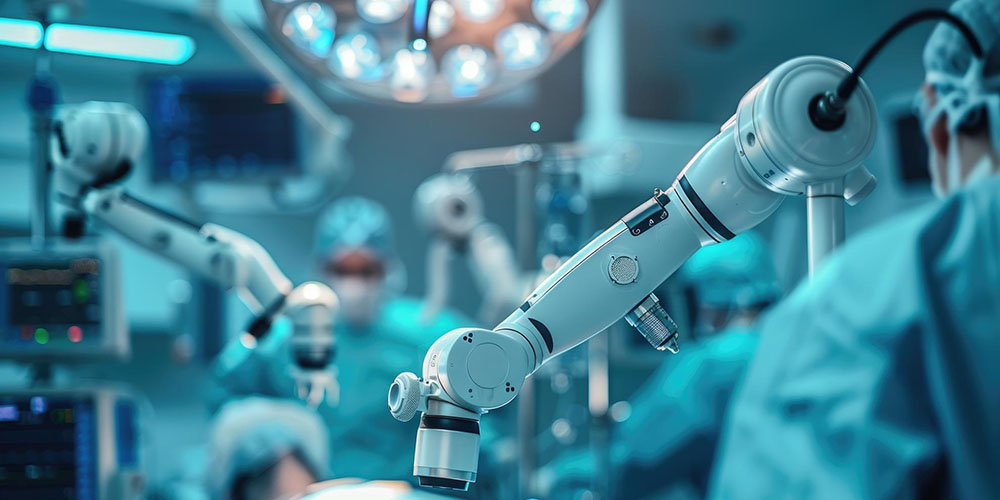
Robotic knee replacement is a knee replacement procedure in which robotic-assisted technology is used as part of the surgical planning and procedure.
The overall treatment remains centred around the patient’s individual knee condition and clinical requirements. Appropriate evaluation and surgical planning are important before deciding whether knee replacement and robotic assistance are suitable.
At Amar Hospitals, the knee replacement care pathway includes assessment, preparation, surgery, post-operative care, physiotherapy, mobilisation and follow-up.
When is Knee Replacement Considered?
Understanding When Knee Replacement May Be Required
Knee replacement may be considered for patients with significant knee joint degeneration and symptoms that affect mobility and everyday activities.
Common situations include:
The Amar Hospitals TKR Patient Guide specifically describes Total Knee Replacement as a treatment option considered in patients with advanced knee osteoarthritis or severe joint degeneration and significant functional limitations.
Common Symptoms
Signs That May Require Knee Evaluation
Patients with advanced knee problems may experience:
When Should You Consult an Orthopaedic Specialist?
If knee pain, stiffness or restricted movement is affecting your walking, sleep, work or everyday activities, an Orthopaedic evaluation can help determine the appropriate treatment options.
Our Robotic Knee Replacement Care
A Complete Knee Replacement Care Pathway
Detailed Knee Evaluation
Assessment of symptoms, knee condition, movement and functional limitations before deciding on treatment.
Surgical Planning
A detailed treatment plan is developed based on the patient’s knee condition and medical requirements.
Robotic-Assisted Knee Replacement
Robotic-assisted technology is used as part of the planned knee replacement procedure when clinically appropriate.
Post-operative Care
After surgery, patients receive appropriate monitoring, medical care and support during the initial recovery period.
Physiotherapy & Mobilisation
Structured physiotherapy supports movement, strengthening, walking and gradual return to functional activities.
Follow-up & Functional Recovery
Follow-up care helps monitor recovery and supports gradual progression towards everyday activities.
Why Choose Amar Hospitals for Robotic Knee Replacement?
Advanced Technology with Patient-Centred Orthopaedic Care
Robotic Knee Replacement in Ongole
Amar Hospitals is introducing robotic knee replacement surgery in Ongole.
Specialised Orthopaedic Care
Knee replacement care is provided within a focused Orthopaedic treatment pathway.
Detailed Patient Evaluation
Treatment begins with assessment of the patient’s knee condition and functional limitations.
Individualised Surgical Planning
The treatment plan is based on the patient’s clinical requirements.
Advanced Surgical Care
Planned surgical treatment with appropriate medical and anaesthesia support.
Structured Rehabilitation
Physiotherapy and mobilisation are incorporated into the recovery pathway.
Post-operative Support
Continued care following surgery through recovery and follow-up.
Patient-Centred Approach
Focus on patient safety, comfort, communication and functional recovery.
Our Robotic Knee Replacement Treatment Approach
From Consultation to Recovery
Orthopaedic Evaluation
The patient’s knee symptoms, movement, medical history and functional limitations are assessed.
Diagnosis & Treatment Planning
The Orthopaedic team evaluates the condition and discusses appropriate treatment options.
Pre-operative Preparation
When surgery is planned, appropriate medical evaluation, investigations, medication review and preparation are completed.
Robotic-Assisted Knee Replacement
The planned knee replacement procedure is performed with robotic-assisted technology when appropriate for the patient’s treatment plan.
Early Post-operative Care
Following surgery, the patient is monitored and supported during the initial recovery period.
Physiotherapy & Mobilisation
Early rehabilitation may include exercises, movement training, assisted standing, walking and gradual improvement in knee movement.
Discharge & Home Programme
Patients receive appropriate guidance regarding exercises, mobility, wound care, medicines and home recovery.
Follow-up & Functional Recovery
Recovery continues through physiotherapy, gradual activity progression and scheduled follow-up.
The overall knee replacement pathway described in the Amar Hospitals patient guide includes assessment, preparation, surgery, early post-operative care, physiotherapy and mobilisation, discharge and follow-up.
Physiotherapy After Robotic Knee Replacement
Rehabilitation is an Important Part of Recovery
Robotic-assisted surgery does not replace the need for appropriate post-operative rehabilitation.
Depending on the patient’s condition and treating team’s recommendations, rehabilitation may include:
The Amar Hospitals TKR guide includes physiotherapy, mobilisation, walking training, range-of-motion exercises and functional recovery as important parts of the post-operative pathway.
Patient Journey
Your Robotic Knee Replacement Journey
The exact treatment and rehabilitation plan may vary according to the individual patient’s medical condition and clinical requirements.
Recovery After Robotic Knee Replacement
Recovery with Guided Rehabilitation
Recovery following knee replacement is a gradual process. Patients may require physiotherapy, exercises, mobility training and progressive return to daily activities.
The duration and progress of recovery can differ between patients. Rehabilitation is planned according to individual clinical needs and progress.
Important Recovery Practices
The Amar Hospitals patient guide emphasises gradual activity progression, home exercises, mobility guidance and follow-up during recovery.
Robotic Knee Replacement – What Patients Should Know
Technology is Part of a Complete Treatment Pathway
Robotic assistance is one component of knee replacement care. A successful treatment pathway also depends on appropriate patient evaluation, surgical planning, medical preparation, post-operative care and rehabilitation.
Important Points
When to Seek Medical Attention
After knee replacement surgery, patients should follow the instructions provided by their treating medical team.
Contact the healthcare team if there are concerns such as:
Severe or emergency symptoms require immediate medical attention.
Frequently Asked Questions
What is robotic knee replacement?
Robotic knee replacement is a knee replacement procedure in which robotic-assisted technology is used as part of surgical planning and the procedure.
Is robotic knee replacement different from conventional knee replacement?
The key difference is the use of robotic-assisted technology as part of planning and performing the procedure. The suitability and approach depend on the individual patient’s condition and surgical plan.
Who may require knee replacement?
Knee replacement may be considered for patients with significant knee degeneration, persistent pain, stiffness and functional limitations, particularly when non-surgical treatment has not provided adequate relief.
Does every patient with knee pain require robotic knee replacement?
No. Knee pain can have many causes, and not every patient requires knee replacement. The appropriate treatment is determined after Orthopaedic evaluation.
Does robotic knee replacement require physiotherapy?
Yes, rehabilitation and physiotherapy remain important parts of the knee replacement recovery pathway.
How long does recovery take after robotic knee replacement?
Recovery varies between patients depending on their medical condition, procedure and rehabilitation progress. The treating team provides individualised guidance.
Is robotic knee replacement available at Amar Hospitals?
Amar Hospitals is introducing robotic knee replacement surgery in Ongole as part of its advanced Orthopaedic services.
Where can I get robotic knee replacement in Ongole?
Robotic knee replacement surgery is being introduced at Amar Hospitals in Ongole. Patients should undergo an Orthopaedic evaluation to understand whether the procedure is appropriate for their condition.
