
Physiotherapy & Rehabilitation in Ongole – Amar Hospitals
Introduction
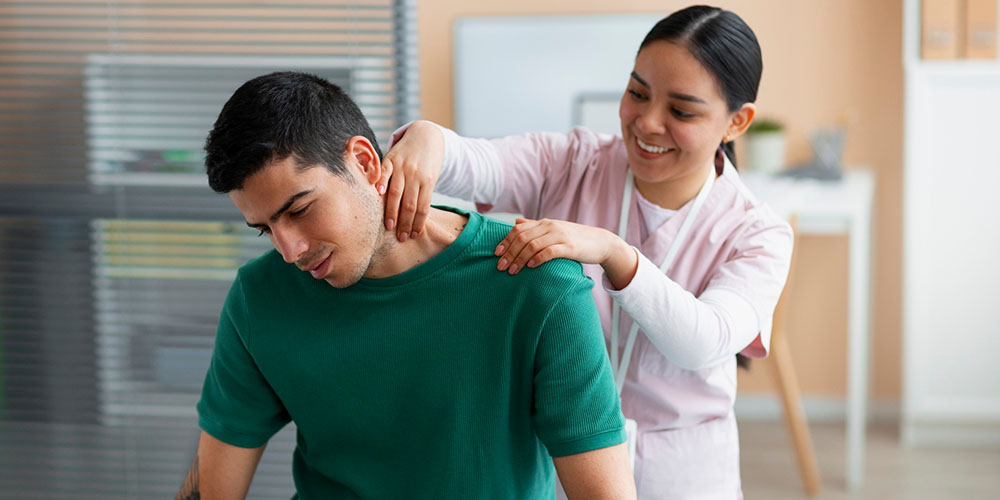
Amar Hospitals provides physiotherapy and rehabilitation care in Ongole to support mobility, strength, functional recovery and safe return to daily activities. Rehabilitation may be recommended after Orthopaedic treatment, surgery, injury or when movement is affected by a medical condition.
Our approach focuses on individual assessment, guided exercises, mobility training, functional activities and progressive recovery according to the patient’s condition and treatment plan.
What is Physiotherapy & Rehabilitation?
Physiotherapy and rehabilitation help patients improve movement, strength, flexibility and functional ability through structured exercises and guided physical activities.
At Amar Hospitals, rehabilitation forms an important part of the patient care journey, particularly after Orthopaedic treatment and joint replacement. The programme may include exercise therapy, early mobilisation, walking training, strengthening and functional recovery.
Physiotherapy & Rehabilitation Services
Orthopaedic Rehabilitation
Rehabilitation support for patients recovering from Orthopaedic conditions, injuries and surgical procedures.
Post-operative Rehabilitation
Structured physiotherapy following surgery to support safe movement, strengthening and functional recovery.
Joint Replacement Rehabilitation
Guided exercises, mobility training and progressive functional activities following knee or other joint replacement procedures.
Sports Injury Rehabilitation
Rehabilitation focused on movement, strength, flexibility and gradual return to normal physical activities after sports-related injuries.
Mobility & Walking Training
Assistance with safe standing, walking, transfers and gait training using appropriate support when required.
Functional Rehabilitation
Exercises and activities designed to help patients gradually return to routine movements and daily activities.
Common Reasons for Physiotherapy
Physiotherapy and rehabilitation may be recommended for:
The appropriate rehabilitation programme depends on the patient’s condition and clinical assessment.
Why Choose Amar Hospitals for Physiotherapy & Rehabilitation?
Individualised Rehabilitation Plans
Orthopaedic Rehabilitation Support
Rehabilitation aligned with Orthopaedic treatment and recovery goals.
Post-operative Physiotherapy
Structured care after surgery to support safe and progressive recovery.
Early Mobilisation & Walking Training
Guided standing, walking and mobility training when clinically appropriate.
Strengthening & Exercise Therapy
Exercises to improve strength, movement and muscle activation.
Functional Recovery Support
Activities focused on everyday movement and functional independence.
Patient-Centred Care
Plans tailored to individual condition, comfort and recovery needs.
Coordinated Follow-up
Ongoing review and progression as advised by the treating team.
Our Rehabilitation Approach
Assessment
Understanding the patient’s condition, movement, strength and functional limitations.
Rehabilitation Planning
Developing an appropriate physiotherapy and exercise programme based on individual needs.
Early Mobilisation
Supporting safe movement, sitting, standing and walking when clinically appropriate.
Exercise Therapy
Guided exercises to improve movement, muscle activation, strength and flexibility.
Functional Training
Progressive activities focused on transfers, walking and everyday movements.
Activity Progression
Gradually increasing activity according to recovery and clinical guidance.
Follow-up & Recovery
Continuing rehabilitation and monitoring progress as advised by the treating team.
Physiotherapy After Joint Replacement
Following knee replacement, physiotherapy may include pain and swelling management, ankle exercises, muscle activation, bed mobility, sitting and standing, assisted walking, knee movement, strengthening, walker gait training, safe transfers and stair training when clinically appropriate.
A home exercise programme and gradual progression of daily activities may also form part of recovery.
Patient Rehabilitation Journey
- Consultation
- Assessment
- Treatment Planning
- Physiotherapy
- Mobilisation
- Exercise & Strengthening
- Functional Training
- Home Programme
- Follow-up
The rehabilitation programme and pace of recovery can vary between patients.
Supporting a Safe Recovery
Patients undergoing rehabilitation should follow the exercise and activity plan provided by their treating team. Depending on the condition, recovery may involve:
After surgery, patients should also follow their prescribed wound-care, medication and follow-up instructions.
When Should You Seek Medical Attention?
Contact your treating healthcare team if you experience new or worsening pain, increasing swelling, changes around a surgical wound, significant weakness or increasing difficulty with movement or walking.
For severe or emergency symptoms, seek immediate medical attention.
Frequently Asked Questions
Is physiotherapy necessary after surgery?
Physiotherapy may be an important part of recovery after certain surgeries, particularly Orthopaedic procedures. The rehabilitation programme depends on the patient’s condition and treatment.
What does physiotherapy include?
Depending on the patient’s needs, it may include exercise therapy, mobility training, strengthening, walking training, functional activities and home exercises.
Is physiotherapy required after knee replacement?
Physiotherapy and mobilisation are important parts of the knee replacement recovery pathway and are planned according to the patient’s clinical condition.
How long does rehabilitation take?
Recovery and rehabilitation time varies from patient to patient. The treating team determines the appropriate progression based on individual recovery.
Can physiotherapy help with walking difficulties?
Physiotherapy may include walking and mobility training to help patients improve safe movement and functional ability.
Does Amar Hospitals provide rehabilitation after Orthopaedic surgery?
Yes. Amar Hospitals provides physiotherapy and rehabilitation support as part of the Orthopaedic care pathway.
