
Pain Management Treatment in Ongole – Amar Hospitals
Introduction
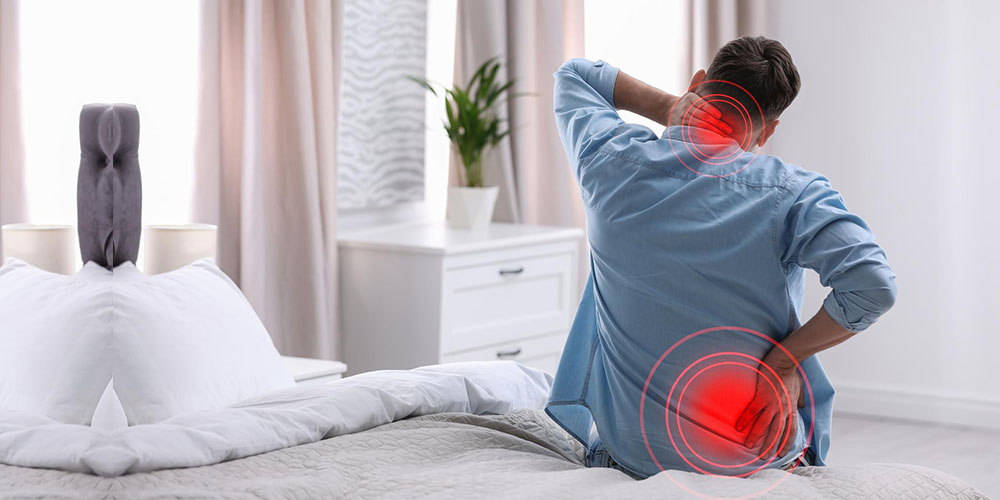
Amar Hospitals provides pain management care in Ongole for patients experiencing persistent or recurring pain affecting movement, comfort and daily activities.
Our approach begins with understanding the nature and cause of pain, followed by appropriate clinical evaluation and individualised treatment planning. Depending on the condition, care may include medical treatment, physiotherapy, rehabilitation, activity guidance or specialist evaluation.
What is Pain Management?
Pain management focuses on evaluating and treating pain while addressing the underlying condition whenever possible.
Pain can arise from bones, joints, muscles, the spine, injuries, surgery or other medical conditions. Appropriate treatment depends on the location, duration, severity and cause of pain.
At Amar Hospitals, pain management is considered as part of a coordinated approach to Orthopaedic care, medical treatment and rehabilitation.
Types of Pain We Manage
Pain management consultation may be appropriate for:
Common Symptoms Associated with Pain
Patients may experience:
Persistent pain that affects normal activities should be medically evaluated rather than managed without understanding its underlying cause.
When Should You Consult for Pain?
Consider a medical consultation when pain:
Sudden severe pain or pain associated with a serious injury or other emergency symptoms requires immediate medical attention.
Our Pain Management Services
Joint & Musculoskeletal Pain
Evaluation of pain affecting joints, muscles and movement.
Knee Pain Management
Assessment of persistent knee pain, stiffness and movement difficulties.
Back & Neck Pain
Clinical evaluation and treatment planning for spine-related pain and stiffness.
Sports Injury Pain
Assessment and management of pain associated with sports and activity-related injuries.
Post-operative Pain Support
Pain management as part of the recovery pathway following appropriate surgical procedures.
Physiotherapy & Rehabilitation
Guided exercises, mobility training and rehabilitation to support movement and functional recovery when appropriate.
Chronic Pain Management
Assessment and continuing care for persistent or recurring pain based on the underlying condition.
Why Choose Amar Hospitals for Pain Management?
Detailed Pain Assessment
Focus on the Underlying Cause
Evaluation aimed at understanding what is driving pain, not only the symptom.
Individualised Treatment Planning
Plans tailored to diagnosis, severity and impact on daily activities.
Orthopaedic Care Support
Pain care coordinated with Orthopaedic evaluation when joints or movement are involved.
Physiotherapy & Rehabilitation
Therapeutic exercise and mobility support when clinically appropriate.
Post-operative Pain Support
Recovery-focused pain management after appropriate surgical procedures.
Coordinated Specialist Care
Referral or specialist input when the condition requires broader expertise.
Patient-Centred Approach
Care planned around individual symptoms, goals and functional needs.
Our Pain Management Approach
Pain Assessment
Understanding the location, nature, duration and effect of pain on daily activities.
Clinical Evaluation
Reviewing symptoms, medical history and relevant physical findings.
Diagnosis
Identifying or evaluating the underlying condition responsible for the pain.
Treatment Planning
Developing an appropriate treatment approach based on the patient’s condition.
Pain Management
Providing suitable medical, therapeutic or rehabilitation support as clinically appropriate.
Movement & Rehabilitation
Physiotherapy, exercise or mobility training may be included when appropriate.
Monitoring & Follow-up
Reviewing progress and modifying the treatment plan when required.
Pain Management & Physiotherapy
Pain management and rehabilitation can work together when pain is associated with movement difficulties, weakness or recovery after treatment.
Depending on the patient’s condition, physiotherapy may include:
Amar Hospitals’ rehabilitation pathway includes exercise therapy, early mobilisation, walking training and functional recovery where clinically appropriate.
Pain After Orthopaedic Surgery
Pain and swelling can occur during recovery following Orthopaedic surgery. Appropriate post-operative care may include prescribed medication, physiotherapy, gradual mobilisation and follow-up.
After knee replacement, for example, the rehabilitation pathway may include pain and swelling management, exercises, mobility training, strengthening and gradual progression of daily activities.
Patients should follow the medication, activity and follow-up instructions provided by their treating medical team.
A Complete Approach to Pain & Recovery
- Identify the Pain
- Evaluate the Cause
- Plan Treatment
- Manage Symptoms
- Improve Movement
- Rehabilitation
- Follow-up
The objective is not simply to manage discomfort, but to understand the underlying condition and support appropriate recovery whenever possible.
When Pain Requires Medical Attention
Patients should seek medical attention when pain is severe, rapidly worsening, associated with a significant injury or accompanied by concerning changes in movement or general health.
Following surgery or treatment, increasing pain or swelling, wound changes, significant weakness or increasing difficulty with movement should be discussed with the treating healthcare team. Severe or emergency symptoms require immediate medical attention.
Frequently Asked Questions
What is pain management?
Pain management involves evaluating pain, understanding its possible cause and providing appropriate treatment or supportive care based on the patient’s condition.
What types of pain can be evaluated?
Joint, knee, back, neck, muscle, sports-related, injury-related and post-operative pain may require medical evaluation.
Does all pain require surgery?
No. Treatment depends on the underlying condition. Medical management, physiotherapy, rehabilitation or other approaches may be appropriate depending on the diagnosis.
Can physiotherapy help with pain?
Physiotherapy may help improve movement, strength and functional ability in appropriate conditions and can form part of a broader pain management plan.
Should persistent knee pain be evaluated?
Yes. Persistent knee pain, stiffness or difficulty with walking and daily activities should be assessed to understand the underlying cause.
Can pain after surgery be managed?
Yes. Post-operative pain management may form part of the recovery pathway, together with prescribed medication, mobilisation, physiotherapy and follow-up as appropriate.
When should severe pain be treated as an emergency?
Sudden severe pain, pain following a significant injury or pain accompanied by serious or rapidly worsening symptoms requires immediate medical attention.
