
Emergency & Trauma Care in Ongole – Amar Hospitals
Introduction
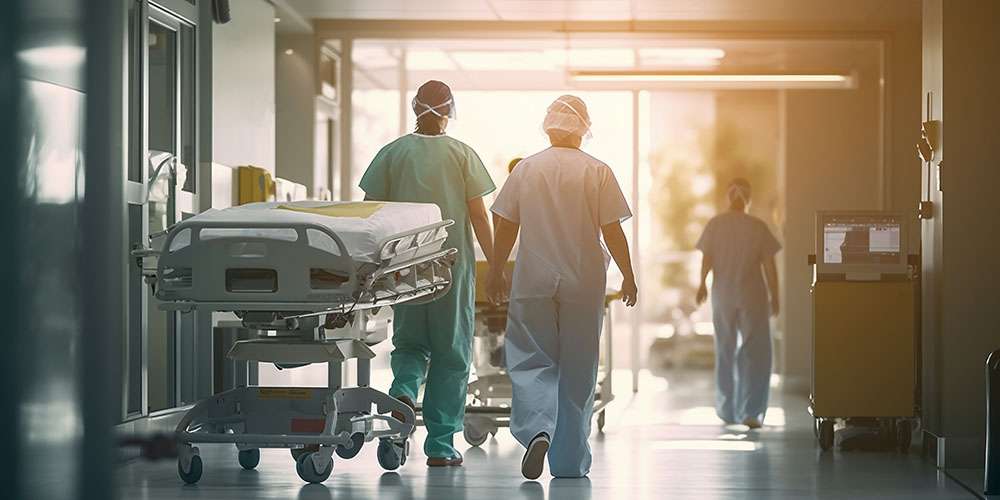
Amar Hospitals provides emergency and trauma care in Ongole for patients requiring urgent medical assessment, immediate attention and appropriate treatment. Our emergency care approach focuses on timely clinical evaluation, stabilisation, coordinated medical care and appropriate referral or specialist support when required.
For serious or rapidly worsening symptoms, patients should seek immediate medical attention rather than waiting for a routine appointment.
What is Emergency & Trauma Care?
Emergency & Trauma Care provides prompt medical assessment and treatment for sudden illnesses, injuries and other conditions that require urgent attention.
Trauma care may be required following accidents, falls, significant injuries or other events that cause sudden physical harm. Emergency medical care may also be required when an existing medical condition suddenly becomes serious or unstable.
When Should You Seek Emergency Care?
Immediate medical attention may be required for:
For severe or emergency symptoms, seek immediate medical attention.
Our Emergency & Trauma Services
Emergency Medical Assessment
Prompt clinical evaluation of patients presenting with sudden or serious symptoms.
Trauma & Injury Care
Assessment and initial management of patients following accidents, falls and other injuries.
Emergency Stabilisation
Appropriate medical support and stabilisation for patients with serious or unstable conditions.
Orthopaedic Trauma Care
Evaluation of bone, joint and movement-related injuries requiring Orthopaedic assessment.
Surgical Emergency Evaluation
Assessment of emergency conditions that may require surgical treatment.
Critical Care Support
Patients requiring close monitoring or specialised medical support may be managed with appropriate critical care.
Post-emergency Care
Continued medical observation, treatment planning and follow-up after the immediate emergency has been addressed.
Common Trauma & Emergency Conditions
Emergency or trauma evaluation may be required for:
The appropriate treatment depends on the patient’s condition and clinical assessment.
Why Choose Amar Hospitals for Emergency & Trauma Care?
Prompt Emergency Assessment
Trauma & Injury Evaluation
Structured assessment of injuries following accidents, falls and trauma.
Medical Stabilisation
Timely treatment and support for serious or unstable emergency presentations.
Orthopaedic Support
Urgent evaluation of bone, joint and movement-related injuries when required.
Surgical Evaluation
Assessment of conditions that may need urgent surgical management.
Critical Care Support
Close monitoring when emergency patients need intensive medical support.
Coordinated Specialist Care
Handover to the relevant speciality teams when specialist input is needed.
Post-emergency Follow-up
Continuing observation, treatment and follow-up after the acute emergency.
Our Emergency Care Approach
Immediate Assessment
The patient’s condition is assessed promptly to identify the urgency and immediate medical requirements.
Clinical Evaluation
Doctors evaluate symptoms, injuries, medical history and relevant clinical parameters.
Stabilisation
Appropriate medical treatment and support are provided according to the patient’s condition.
Investigation & Diagnosis
Relevant investigations may be recommended to understand the underlying condition or extent of injury.
Specialist Evaluation
Where required, the patient may be assessed by the relevant specialist, such as an Orthopaedic or General Surgery team.
Treatment
The appropriate medical or surgical treatment is planned according to the diagnosis.
Monitoring & Continuing Care
Patients may require observation, critical care or further treatment depending on their condition.
Recovery & Follow-up
Once the immediate emergency is managed, appropriate follow-up, rehabilitation or continuing care may be advised.
Orthopaedic Trauma Care
Injuries involving bones, joints and movement may require Orthopaedic assessment. Depending on the injury, the patient may require evaluation, treatment planning, surgical care and rehabilitation.
Amar Hospitals’ Orthopaedic care pathway includes evaluation, surgical planning, treatment, post-operative care, physiotherapy and functional recovery.
Emergency & Critical Care
Some emergency patients may require close monitoring or additional medical support after initial assessment and stabilisation.
When clinically required, emergency care can progress into critical care, surgical care, specialist treatment or post-operative monitoring based on the patient’s condition.
Recovery After Trauma
Recovery following an injury depends on the type and severity of the injury and the treatment required.
Depending on the patient’s condition, recovery may include:
Physiotherapy and rehabilitation may include mobility, strengthening, walking training and functional recovery when clinically appropriate.
When Emergency Symptoms Should Not Be Delayed
Patients should not delay seeking medical attention when symptoms are severe, rapidly worsening or associated with significant injury or sudden deterioration.
Following treatment or surgery, increasing pain or swelling, significant weakness, wound changes or increasing difficulty with movement should be discussed with the treating healthcare team. Serious or emergency symptoms require immediate medical attention.
Frequently Asked Questions
When should I visit the Emergency Department?
Emergency care should be sought when a person has a serious injury, sudden severe symptoms, significant deterioration or a condition that requires immediate medical attention.
Does Amar Hospitals provide trauma care?
Amar Hospitals provides Emergency & Trauma Care for urgent medical assessment, injury evaluation, stabilisation and appropriate continuing care.
Can Orthopaedic injuries be evaluated in emergency care?
Yes. Patients with significant bone, joint or movement-related injuries may require urgent Orthopaedic evaluation.
What happens after emergency assessment?
Depending on the condition, the patient may receive treatment, observation, specialist evaluation, surgery, critical care or follow-up care.
Can an emergency patient require critical care?
Yes. Patients with serious or unstable conditions may require close monitoring and critical care based on clinical assessment.
Is physiotherapy required after a traumatic injury?
Some injuries may require physiotherapy and rehabilitation as part of recovery. The rehabilitation programme depends on the injury and treatment provided.
